
Real Estate
We’re a marketing company first. Auction is the engine we use to turn attention into offers on a deadline. That means a clear date, qualified bidders, and a straight path to the closing table—without endless back-and-forth.

When a Real Estate Auction Makes Sense
- You want a firm timeline and open, competitive bidding
- The property is unique (or hard to comp) and needs true market discovery
- You prefer as-is terms with buyer diligence up front
- You want transparent offers and fewer renegotiations
- You’re settling an estate, trust, or business and need a public, documented sale
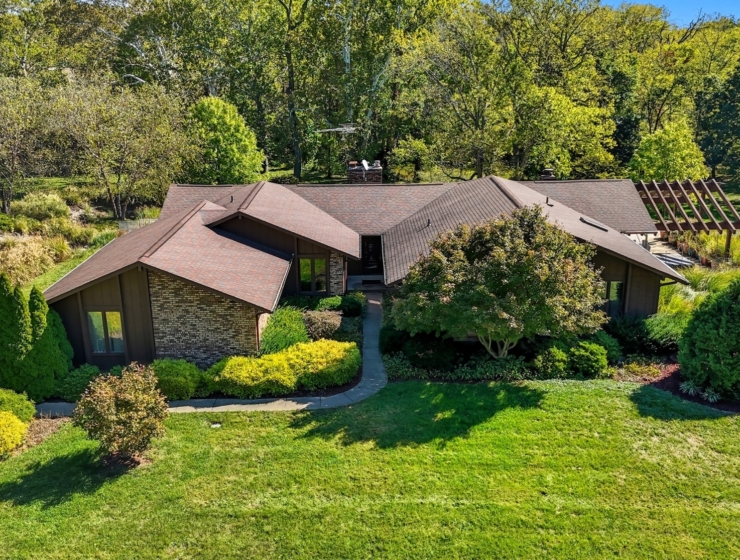
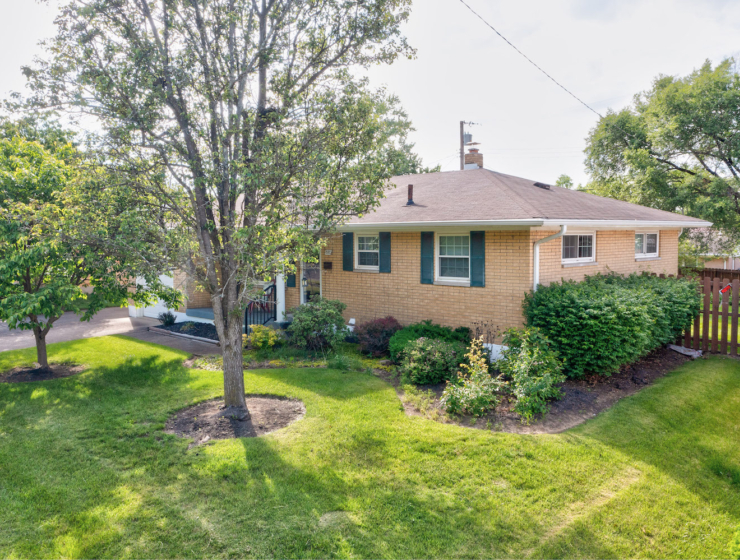
Real Estate Auction Success Stories








How We Drive Demand
Property preparation
We walk the property, build a punch list, and make it easy to show. Typical items: light cleaning and decluttering, yard work/curb appeal, safety and access, utilities on for inspections, fresh photos/measurements, and clear signage. If staging helps, we keep it simple and cost-effective.
Gather the paperwork buyers ask for
We assemble a buyer packet so answers are ready: deed and legal description, survey/plat, property disclosures, taxes and utilities, HOA/covenants, leases/rent rolls (if any), zoning/use info, environmental reports when applicable, plus floor plans or site maps. Less mystery = more confident bidding.
Price clarity and auction terms
We set the auction date and buyer expectations: registration, earnest money, as-is condition, closing timeline, and any buyer’s premium. Everyone knows the rules on day one, which keeps the process fair and fast.
Presentation that sells
Professional photos (and drone or short video when helpful), a tight write-up that answers common questions, and a simple property info package. We want buyers to say “I understand what I’m bidding on.”
Targeted marketing (not just a listing)
We run a campaign: email to our buyer database, geo-targeted ads, listing syndication to the right sites, strong signage, neighbor and agent outreach, and social posts that actually convert. The goal is butts-in-seats (and clicks-on-bids) by auction day.
Showings, Q&A, and weekly updates
Open houses or scheduled previews, prompt answers to buyer questions, and steady seller updates so you always know interest levels and what’s next.
Auction day & closing
Bidders compete in the open. We collect earnest money, execute the purchase agreement, and coordinate title/escrow through closing—keeping everyone on timeline.

Residential Homes
Single-family homes, condos, townhomes, and rural residences—from “move-in ready” to “needs work.
This category includes the properties most sellers worry about because traditional listings can turn into a long to-do list. Auction is often a fit when you want a clean, defined outcome without months of showings or negotiations.
Common seller situations we see:
- You inherited a house and live out of town
- The home needs updates and you don’t want to renovate
- You’re downsizing and want a timeline you can plan around
- The property is vacant and you’re tired of utilities, lawn care, and maintenance
What matters to buyers right now: Buyers want transparency. We provide the info they expect—clear auction terms, access for showings, and a straightforward path to closing.

Investment Properties and Rentals
Tenant-occupied homes, duplexes, small multifamily, and investor-grade properties. If you’re a landlord ready to simplify, an auction can convert a property into a sale on a defined schedule.
This is often a fit when:
- You’re done managing tenants and repairs
- The property cash-flows, but you’d rather reallocate funds
- You want to sell “as-is” and avoid repair requests
- You need a sale date you can plan around (instead of a listing that lingers)
Helpful note: Tenant occupancy doesn’t automatically disqualify a property. We’ll help you decide the best approach for showings, marketing, and buyer expectations

Land, Lots, and Development Property
Vacant lots, buildable parcels, recreational land, and development sites.
Land can be tough to price in a traditional listing because comps are often thin. Auction works well because it lets the market speak—and it reaches both local buyers and out-of-area bidders who are actively searching online.
Good fit when:
- The parcel is unique (road frontage, views, utilities, zoning potential)
- You’re splitting inherited acreage among heirs
- You want a clean sale without “will you take…” negotiations
- You’re ready to convert land into cash and move on
Resource tip: If you have it, gather parcel ID, approximate acreage, any survey, zoning notes, and utility availability. If you don’t have those, we can still start the conversation.
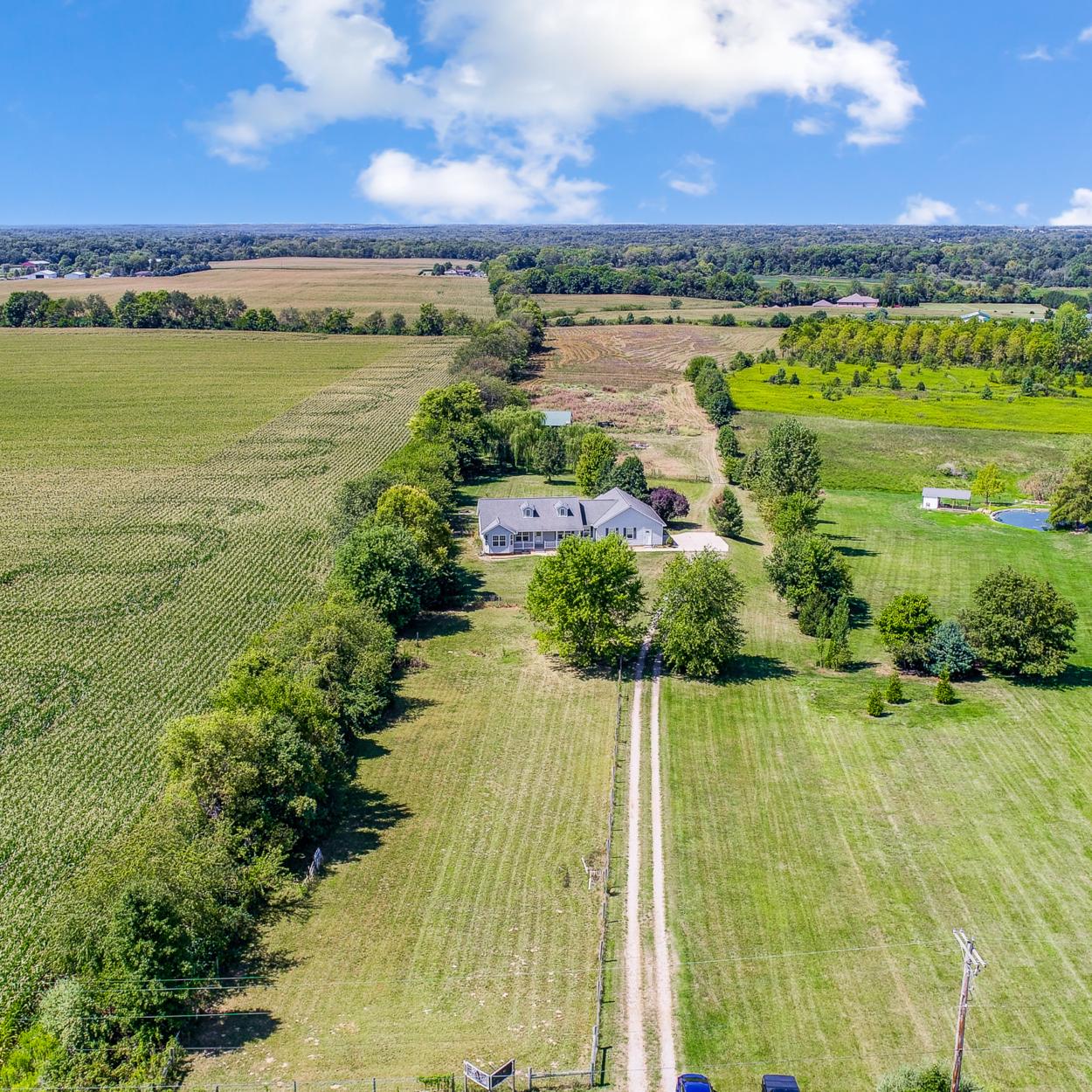
Farms, Barns, and Rural Estates
Farm ground, hobby farms, barns/outbuildings, and rural residential with acreage.
These properties bring in a wide buyer pool: farmers, investors, equestrian buyers, builders, and people seeking room to breathe.
Auction can be ideal when:
- The property has acreage and doesn’t fit a standard neighborhood comp
- There are multiple usable structures (barns, shops, storage buildings)
- You’re handling an estate and want an organized, documented sale

Commercial and Mixed-Use Properties
Retail, office, warehouses, mixed-use buildings, and light industrial sites.
Commercial buyers tend to be decisive when the terms are clear. Auctions can be a strong match when you want serious prospects and a firm timeline.
Common scenarios:
- You’re retiring, closing a business, or liquidating a facility
- You own a building that’s underused or vacant
- You’re selling an investment property and want a clean close

Specialty & Municipal Properties
Churches, schools, civic/municipal buildings, and bank/lender-owned (REO) real estate.
These properties often come with unique layouts, zoning considerations, and multiple stakeholders—so the sale needs clear terms, strong marketing, and a defined timeline. Auctions are a strong fit when you want transparency, broad buyer reach, and a clean, well-documented process.
Common scenarios:
- You’re selling surplus municipal or civic property with required documentation and public visibility
- A church or school is closing, relocating, consolidating, or transitioning ownership
- A lender needs to move REO property quickly to reduce carrying costs (utilities, insurance, maintenance)
- The property is hard to price or market through a standard listing due to its specialized use or condition
