Rare Doesn’t Mean Valuable: A Reality Check for Classic Car Sellers
Spend enough time around collector cars and you’ll hear it all the time: “It’s rare.”

And sometimes that’s true. But rarity alone doesn’t make something valuable. In any market—cars, art, antiques, or real estate—value comes from demand.
If buyers aren’t chasing something, it doesn’t matter how uncommon it is.
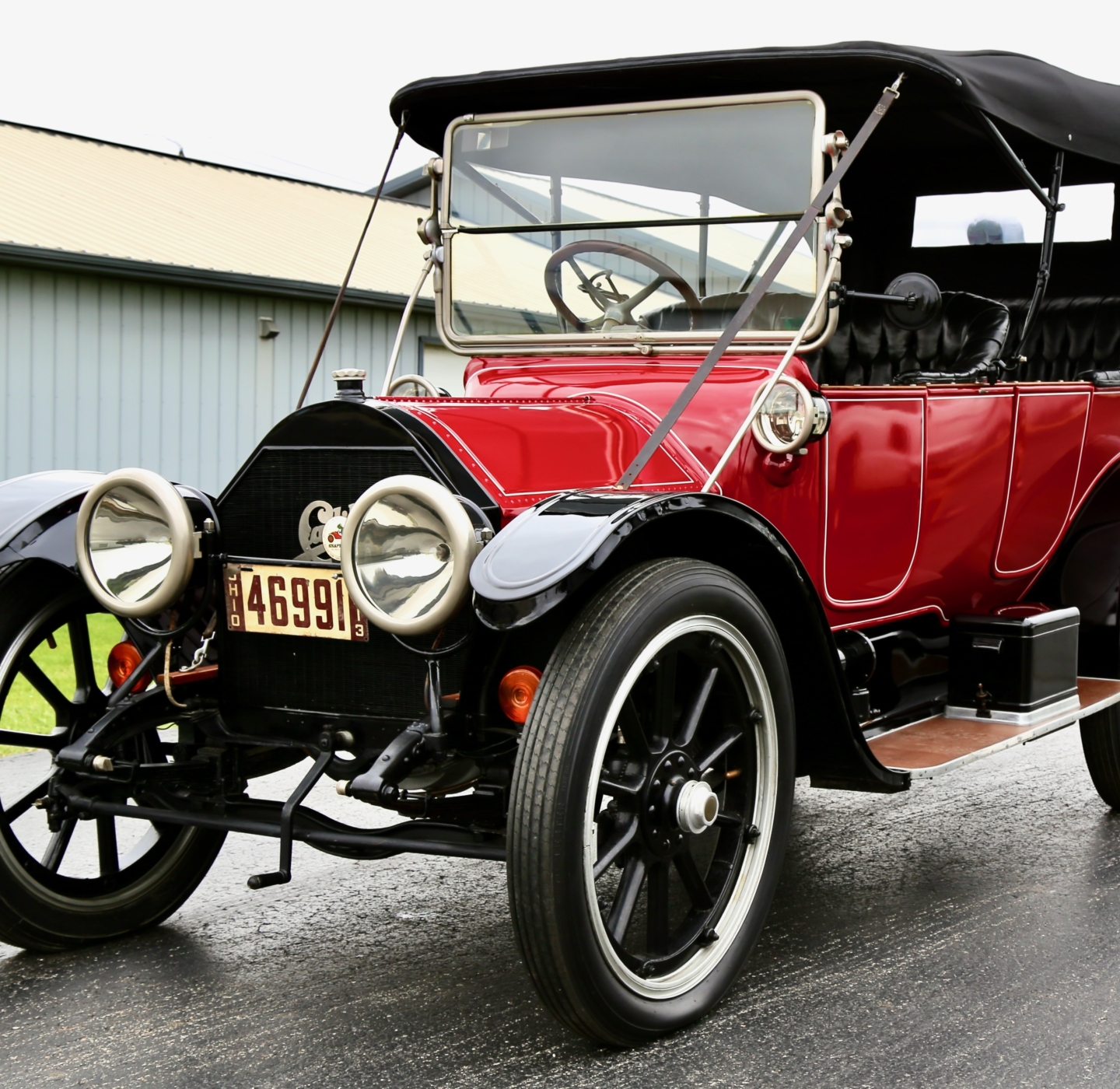
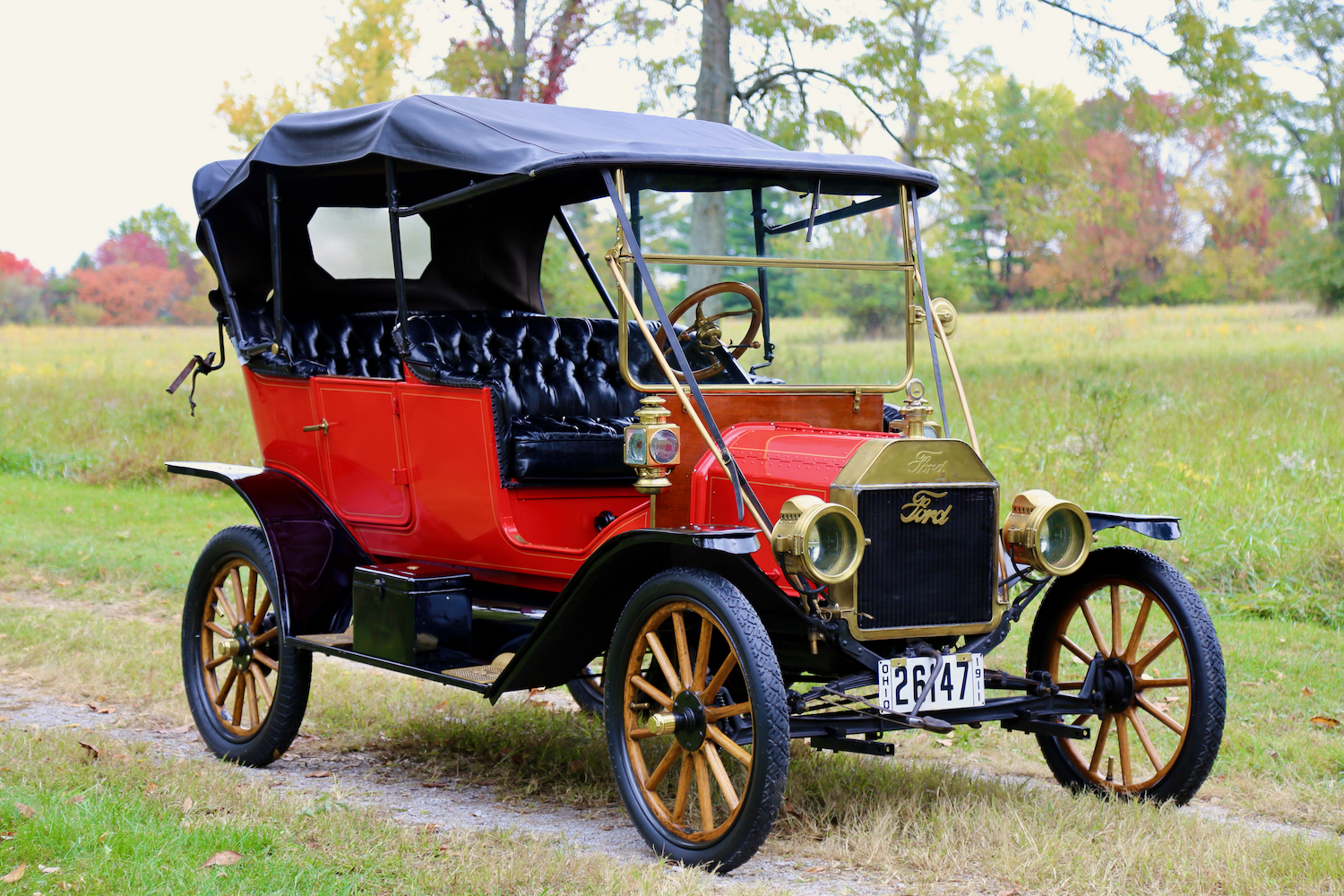
That reality is becoming clearer in today’s collector car market as the hobby goes through a generational shift. For decades, pre-war automobiles and early classics were the center of the collecting world. They’re beautiful machines and incredible pieces of history. But the buyers entering the market today grew up with something different.
And the numbers show it.
Industry analysis shows the average age of vehicles sold at auction has dropped from about 54 years in 2012 to roughly 38 years today, while cars from the 1980s through the early 2000s now make up nearly 30% of auction sales. In other words, the market is getting newer as younger collectors begin buying the cars they grew up dreaming about.
That’s not unusual. The collector car hobby has always followed nostalgia. When people reach their prime earning years—typically between ages 35 and 55—they start buying the cars that meant something to them when they were younger.
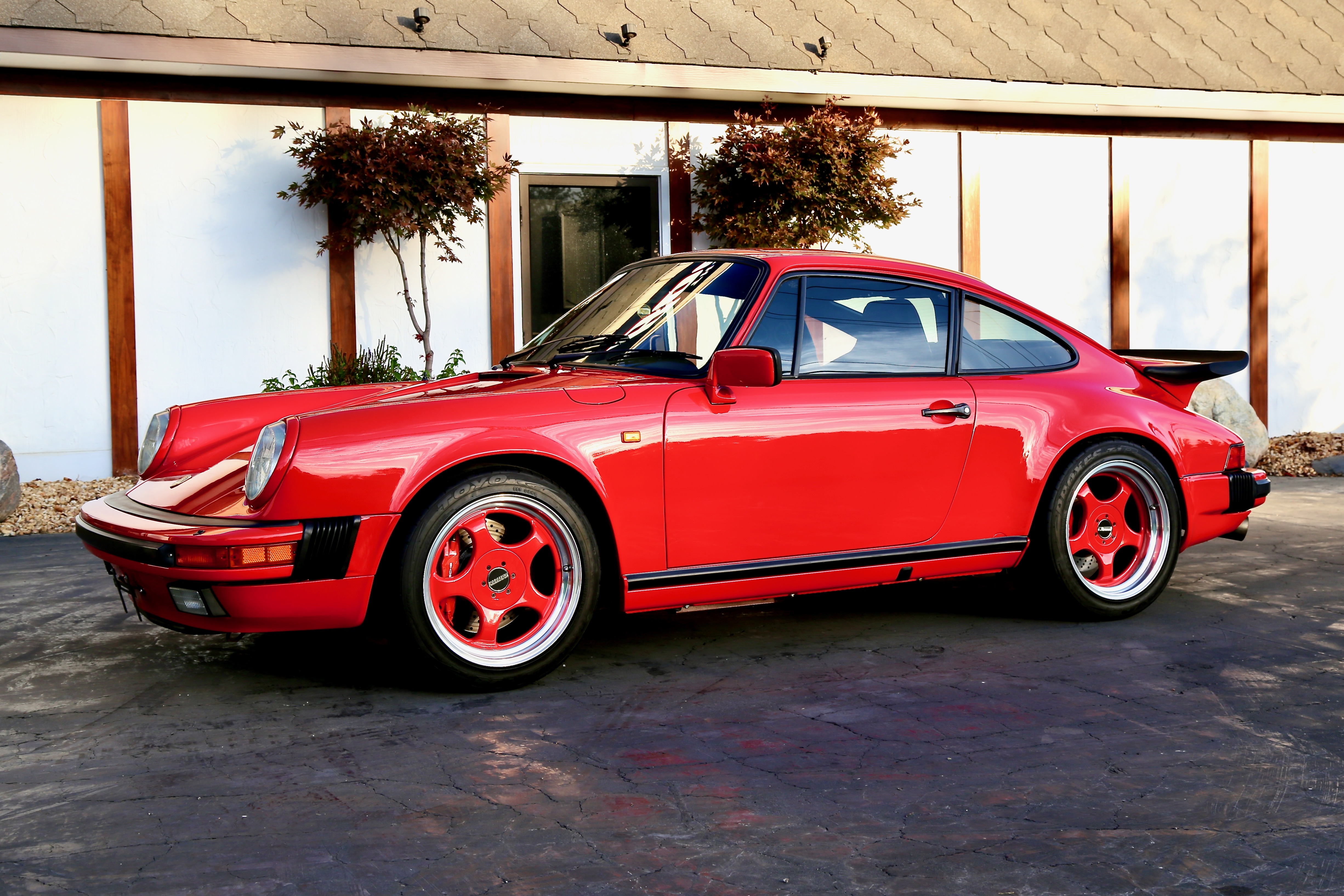
For many of today’s buyers, that means 1980s performance cars, 1990s imports, early-2000s sports cars, and increasingly well-built restomods.
Meanwhile, the generation that built the market for pre-war cars is gradually aging out of the hobby. As those collections begin to come to market through downsizing or estates, supply is increasing while the buyer pool is getting smaller.
That’s the uncomfortable reality many sellers face.
A car may truly be rare. It may be historically important. But if fewer buyers are looking for that specific model, rarity alone won’t support the price. In fact, sometimes rarity makes a car harder to sell because there are fewer buyers actively searching for it.
The broader collector car market is still very active. Tens of thousands of vehicles change hands at auction every year. But buyers have become more selective, and cars only sell quickly when they meet the market.
Which brings us back to the biggest myth in the collector car world: the idea that a “special buyer” is going to appear someday and pay more than the market.
Sometimes that happens. Most of the time, it doesn’t.
The collector car market has always rewarded honesty. The market doesn’t care what a car used to be worth, what someone once offered for it, or how rare it might be. It only cares about what buyers are willing to pay today.
If you’re thinking about selling a collector car, the smartest move usually isn’t waiting for a mythical buyer. The smartest move is putting it in front of real bidders and letting the market speak.
That’s exactly what auctions were built to do.
And the rule hasn’t changed:
Rare might start the conversation. Demand writes the check.